


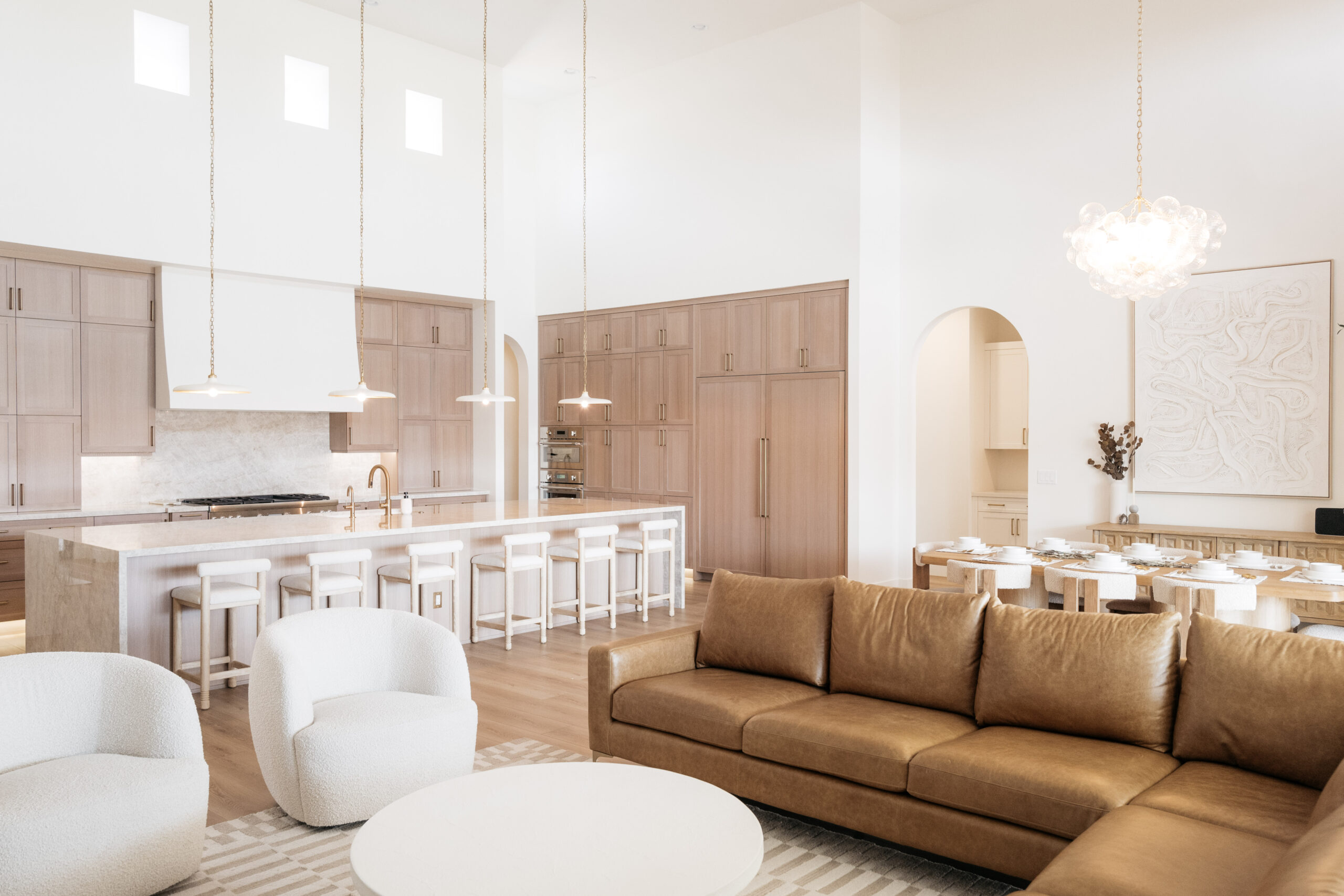


The PIVOT Method for Home: The Decisions That Happen Before the Design Studio
The PIVOT Method wasn’t created for home design. That’s exactly why it works here.
Most home design advice starts with what to buy: a paint color, a sofa, a finish. PIVOT starts earlier, with what you’re actually trying to accomplish. That’s where the most expensive mistakes begin, and where they’re easiest to avoid.
Where PIVOT came from
My wife Alisha and I developed PIVOT around a belief that has guided much of our work: the smaller the gap between what you say you value and what you actually build, the better your life feels.
We’ve applied it to business, leadership, and major life decisions. We even wrote a book about it.
A home is another place where that gap shows up. You say you want a kitchen that brings everyone together, then choose a layout that sends everyone to opposite corners.
The design studio isn’t where design starts
Most people approach a new build thinking the design studio is where the big decisions happen. It’s where you choose cabinets, counters, flooring, and fixtures, so it feels like the main event.
By then, some of the most important decisions have already been made. The layout is set. The walls are where they are. The studio decides what goes into the house. It rarely gets to question the house itself.
What we did before we signed
Before we signed a contract or selected a single finish, we got clear on how this home needed to function for our family. [Add one or two specifics: how you cook, where the kids spend their time, how you host.]
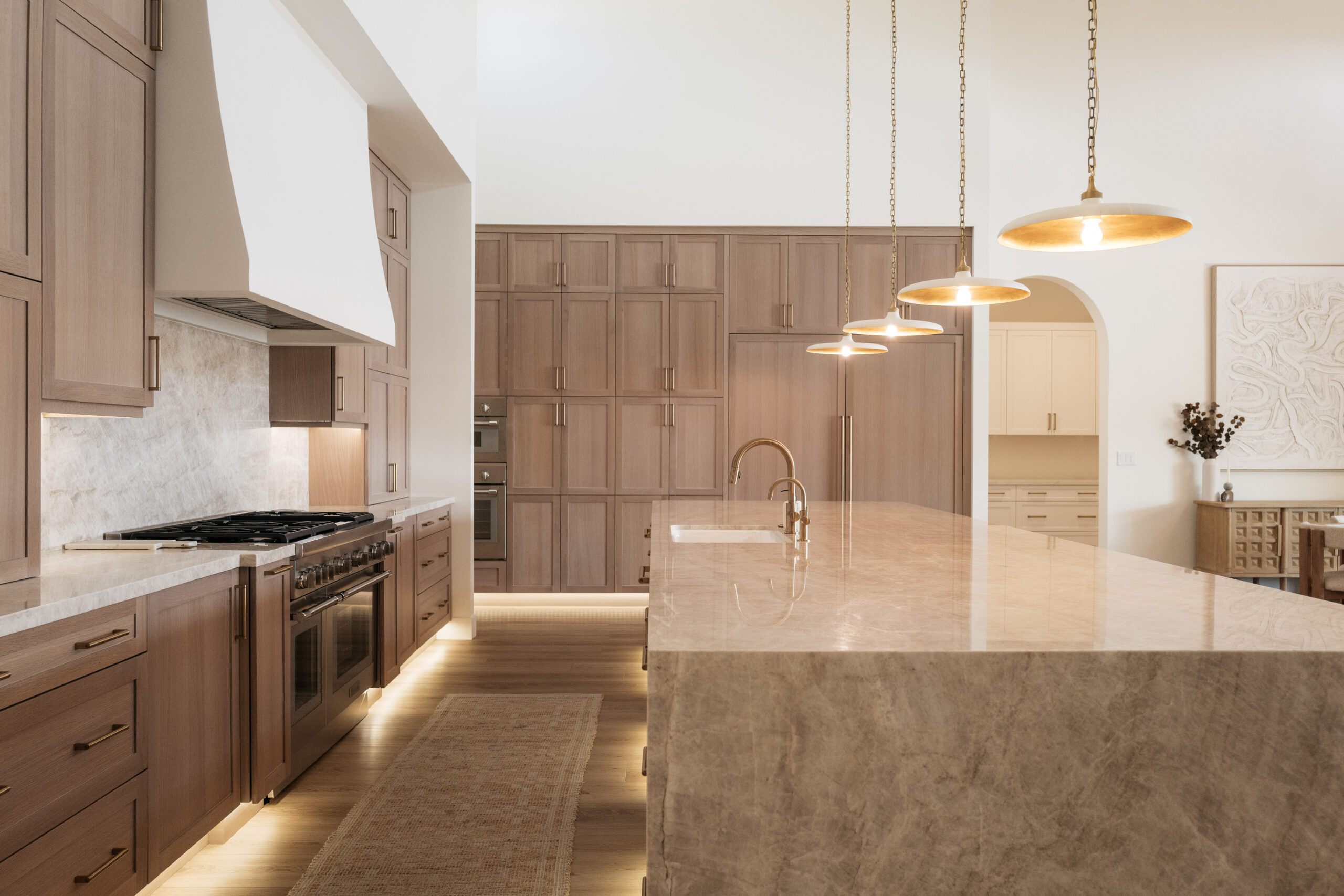
Then I looked at the floor plan through that lens. Most of it worked. The kitchen didn’t.
So we asked if the plan itself could change. We sent our suggested edits as homeowner change requests, the builder reviewed them, and the answer was yes. Along with the kitchen redesign, the approved changes included framing adjustments, a stacking slider, and relocating and adding doors.
But the yes isn’t the point. We knew what we needed before we started choosing from what was available. That’s why we knew to ask while the plan could still change.
The five phases
That’s PIVOT in practice. Five phases, in order, with each one changing the question you’re asking before you move to the next.
- Prepare. Before we touched the floor plan, we had to get clear on what we actually wanted from this house and how we wanted to live in it. Not what looked impressive on a plan. What mattered to us.
- Inspect. Then we looked at what the builder was actually offering. What worked? What was fixed? What could potentially change? Most of the floor plan worked for us. The kitchen didn’t.
- Vision. Once we understood the problem, we could define what we wanted instead. Not just a prettier kitchen, but a layout that better supported the way we cook, gather, move through the house, and use the space.
- Organize. From there, the decisions had to happen in the right order. Floor-plan and framing changes came before cabinetry. Cabinetry came before finishes. Some things needed to happen during construction. Others could wait until after closing.
- Transform. Then you execute. Some of that is happening through the builder now. Some of it will happen after we close. And I’ll be documenting both.
You don’t need to be building a house
The same five phases apply whether you’re renovating a kitchen, furnishing a room, or trying to understand why a room you already live in still isn’t working.
The pattern is usually the same. You replace the furniture, repaint, or buy more decor, and you’re still not done. Sometimes the furniture was never the problem. It was the layout. Sometimes the paint wasn’t the problem. It was the lighting. PIVOT puts the diagnosis before the purchase.
What’s next
Over the next few weeks, I’ll walk through each phase and show how I’m applying it to this build, starting with the one almost nobody does first.
If you want to apply the method to your own home now, I put all five phases into a free guide.





Read the Comments +