


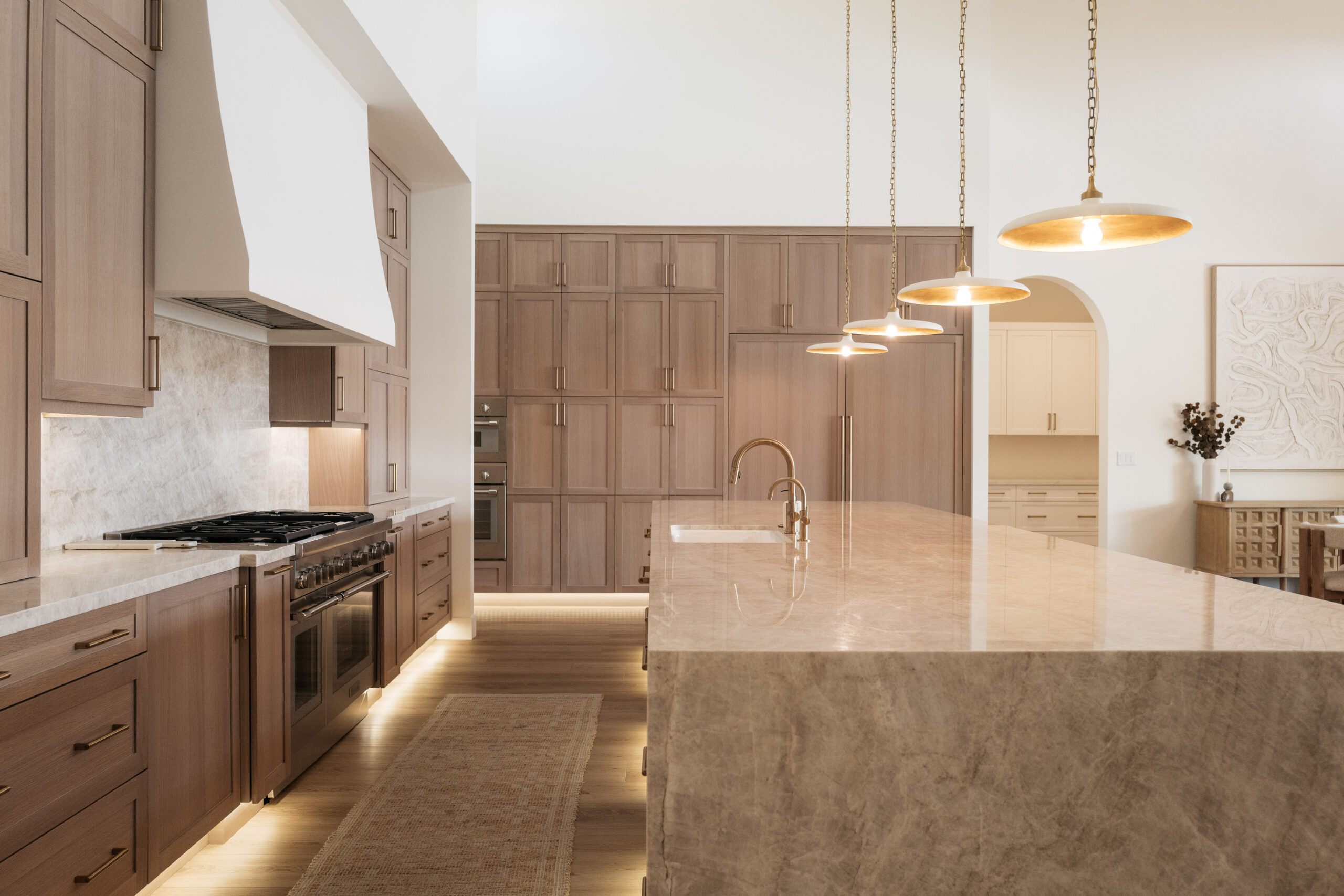


The Home That Helped Me Become Myself
On the futures we imagine, the lives we actually live, and finding the freedom to choose what comes next.
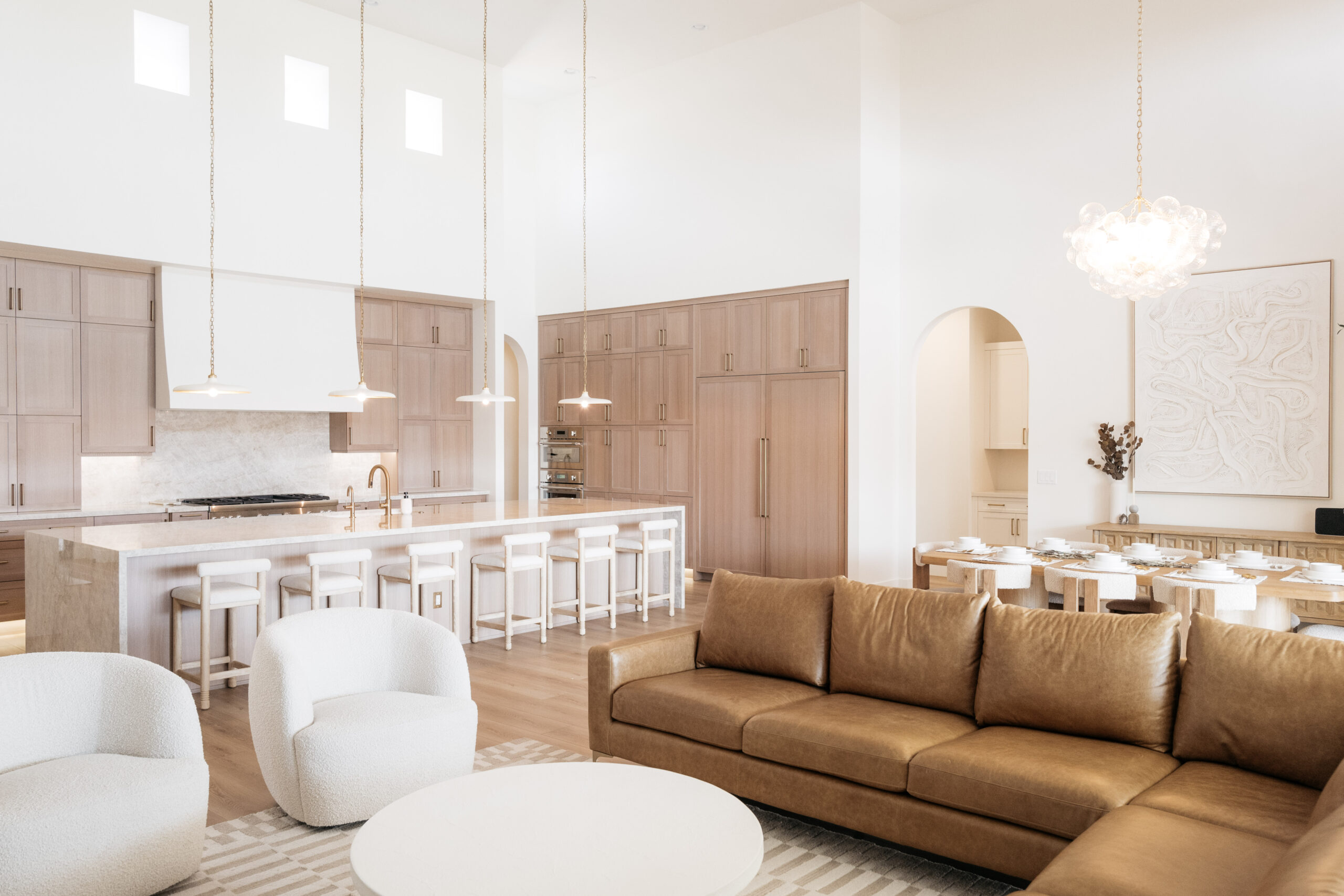
We’re selling Pennington Place.
I’ve known for some time that this was coming, but there’s something about putting those words together that still feels strange.
We built this house believing it would be our home for many years. The place where our daughters would grow up. Where we’d celebrate birthdays, holidays, graduations, and all the milestones that seemed so far away when we first imagined living here.
I can still picture those moments. Many of them haven’t happened yet, and now I know they won’t happen here.
I think that’s what makes this difficult.
Not that we’ve fallen out of love with the house. Quite the opposite. I still walk through it and feel an enormous sense of pride. I see the decisions, the details, the years of imagining what it could become. I remember standing in unfinished rooms, trying to picture what would eventually exist around us.
And then I look around and realize we actually did it. We created the home we imagined. So how do you reconcile loving something you’ve built with choosing to leave it?
I’ve been sitting with that question for a while now. And I think the answer has less to do with the house itself and more to do with the people we’ve become since we started building it.
Before Pennington Place
My love for design started long before I had a home of my own.
Growing up, I loved watching design shows with my mother and visiting model homes. I was fascinated by the possibilities of a space. The way rooms connected, how materials worked together, the details that made one house feel entirely different from another.
I didn’t know what to call that interest at the time. I just knew I loved it.
Growing up in San Jose also gave me an appreciation for Spanish Mission architecture. Those influences stayed with me, and years later, when we began designing Pennington Place, they became part of the inspiration for the home.
I’d designed a custom home before. I understood the process, the decisions, and the challenges that came with building something from the ground up. But Pennington Place felt different.
This time, I wanted to explore what I could create without treating design as something I simply enjoyed on the side. I wanted to be intentional about everything.
The architecture. The cabinetry. The stone. The lighting. The way natural light would move through the house. How the rooms would relate to one another. How our family would experience the spaces every day.
I wanted a home that felt contemporary but warm, refined but approachable. A modern interpretation of the Spanish architecture I’d admired since childhood.
And I wanted it to feel like us.
What I didn’t know then was how much the process would change the way I saw myself.
The business that changed everything
To understand what this house represents, I have to talk about ATvantage.
My wife, Alisha, founded the company in 2012. In 2017, I left my career at Apple to join her in building it.
We’d both been raised by single mothers. We were first-generation college graduates, building careers and creating opportunities that once felt distant from the lives we’d known growing up.
ATvantage changed the trajectory of our lives.
It wasn’t simply a business we owned or operated. It was years of work, risk, sacrifice, growth, and learning. It created opportunities for our family that we hadn’t always imagined possible.
Pennington Place was one of the most tangible expressions of that journey.
When we began building, we were creating a home that reflected not only our taste but the life we’d worked so hard to establish.
At the time, I couldn’t have imagined a future where ATvantage wasn’t part of my everyday life.
But in 2025, Alisha sold the business.
And while I remain involved through the transition, the sale started a much larger conversation about what we wanted our lives to look like going forward.
Now, as my own time with ATvantage appears to be approaching its end, I’m facing a professional transition I never expected.
There’s something difficult to articulate about moving on from a company that helped shape so much of your adult life. I’m grateful for what we built. I’m proud of what we accomplished. And I’m beginning to recognize that my future may look very different from the one I’d imagined.
In some ways, that’s exactly where we are with Pennington Place.
The family we were designing for
When we began planning this home, we had one 15 month old child.
We imagined what her childhood would look like here. How she’d use the spaces as she grew. Where we’d gather as a family. What our routines might become.
And while so much of what we imagined has been wonderful, the past few years have also changed our understanding of what we want.
Now we have two girls, and they’re growing up fast. They’re developing their own interests, personalities, and ideas about the world. We want to make room for those things, to give them opportunities to discover what they love and support them as those interests evolve.
Last year, we took our first international trip with them.
There’s something about experiencing another part of the world through your children’s eyes that makes you think differently about what you want to give them.
We want more of that.
More places to explore. More experiences together. More opportunities for them to discover themselves beyond the routines of everyday life.
We also want to invest more intentionally in ourselves.
Alisha is building Exette, pursuing work that reflects where she is in her own journey. I’m exploring what it means to step fully into interior design. We’re thinking about how we invest in real estate, how we allocate our resources, and how we want to spend our time.
The sale of ATvantage gave us an opportunity to reconsider things we’d once assumed would remain constant.
And as we continued those conversations, we began looking at our home differently.
Not because it no longer made us happy.
But because we started asking whether holding on to it was the best way to support everything we wanted to do next.
Pennington Place is a substantial investment, in every sense of the word. Moving on creates financial flexibility and opportunities that would otherwise remain tied to this property.
We could keep the house and continue building our lives around it.
Or we could allow ourselves to imagine something different.
Neither choice is inherently right or wrong. But for us, one increasingly feels more aligned with the future we’re choosing.
What this house gave me
There’s another part of this story that feels just as significant, though it’s much more personal.
Pennington Place helped me recognize something about myself that I’d never fully explored.
I’ve loved design since childhood. I’ve designed homes before. I’ve spent countless hours researching materials, studying spaces, and imagining what could be.
But for most of my life, that passion existed privately.
I wasn’t professionally trained in interior design. I didn’t have a traditional design background. And while I knew how much I cared about the work, I hadn’t really considered what it might mean to share it with other people.
Pennington Place changed that.
The process pushed me creatively. I had to translate ideas into actual decisions, work through constraints, understand how materials and details would come together, and ultimately execute a vision I’d spent years developing.
It wasn’t always easy. There were compromises, frustrations, and lessons I couldn’t have anticipated.
But when I began seeing the finished spaces, I felt something I hadn’t experienced quite the same way before.
I knew I could do this.
Not just imagine it. Not just appreciate good design when I saw it. Actually create it.
And then I started sharing it.
What happened next surprised me.
People connected with the work. They asked about the decisions I’d made, wanted to understand my process, and began asking for my perspective on their own homes.
Brands I’d admired became collaborators. Opportunities emerged that I hadn’t anticipated. The kitchen eventually received international recognition.
Those experiences were incredibly affirming, but the recognition wasn’t the most meaningful part.
It was realizing that people saw something in my work that I’d only recently begun allowing myself to see.
They trusted my eye. They valued my perspective. They wanted to know what I thought, despite the fact that I hadn’t followed the traditional path into the profession. And it made me wonder what might be possible if I gave this part of myself the same commitment I’d given to my career in business.
Today, through Pennington Perspective and Aligned Design, I’m beginning to explore that question more seriously.
I’m learning new tools, developing my skills, and thinking about how my experience in business, operations, and creative problem-solving can inform the kind of designer I want to become.
I’m not approaching this as someone who has everything figured out.
But I am approaching it as someone who finally understands that a lifelong interest deserves more than being relegated to the margins of my professional life.
And I don’t know that I would have reached this point without Pennington Place.
The future we have to let go of
I think one of the hardest parts of leaving a home like this is that you’re not only leaving behind what happened there. You’re also leaving behind what you thought would happen.
There are memories we’ve made in this house that I’ll always cherish. But there are also memories I imagined we’d make here that will never exist.
Our daughters growing older in these bedrooms. Different stages of their lives unfolding in spaces we’d planned for them. Family celebrations and ordinary evenings that, in my mind, already had a setting.
It’s strange to grieve something that hasn’t happened.
But I think that’s part of what I’m experiencing.
We’re not losing those future moments. We’ll still celebrate the birthdays, support the milestones, and experience the ordinary days that make up a life together.
They’ll just happen somewhere else.
And I have to make room for the sadness that comes with that.
I don’t want to pretend that because we’ve made a thoughtful decision, the emotional part should be easy.
I love this house. I’m proud of it. I still see the beauty in what we created.
There are days when I look around and wonder why we’d ever leave.
Then I think about what we’re moving toward and I remember that the future we imagined when we began building doesn’t have to be the future we’re obligated to live.
Alignment changes as we do
Alignment is at the core of who we are. It is a ongoing relationship between who you are, what you value, and the choices you’re making.
When we built Pennington Place, it was aligned with the life we wanted.
When I joined ATvantage, that decision was aligned with the future Alisha and I were building together.
Neither of those decisions was wrong simply because our circumstances have changed.
They were right for us then.
I believe we can honor those choices while making new ones.
There’s a tendency to treat permanence as proof of success. That if you’ve built something beautiful, meaningful, or successful, the goal should be to hold on to it.
But I’m beginning to question that.
Maybe success also means having the freedom to reconsider.
To acknowledge that you’ve changed.
To recognize that something can still be wonderful without being what you need next.
For our family, that means creating more space for experiences, investments, opportunities, and the things that matter to us now.
For me, it means making room for a professional identity that has been developing quietly for most of my life.
And both require letting go of some things I once assumed would always be part of our story.
Making room for what’s next
We’re building another home.
I’m calling it Alegre House (Alegre means joyful, happy, or cheerful in Spanish and Portuguese).
It’s different from Pennington Place, and that’s intentional.
I’m not trying to recreate what we have here. Nor do I think of it as an opportunity to correct everything I might have done differently.
It’s another expression of where we are in our lives.
We’re approaching it with the experience of having built before, a clearer understanding of how we live, and a different set of priorities.
And for me, it’s another opportunity to create.
Only this time, I’m bringing a different level of intention to my own development as a designer.
I’m studying the tools used in the profession, exploring new ways to communicate ideas, and thinking more seriously about the work I want to do beyond my own home.
I don’t know exactly where that journey will lead.
That’s both exciting and uncomfortable for someone who has spent much of his professional life focused on planning, execution, and knowing what comes next. But I’m allowing myself to be a beginner in some ways, even as I recognize the experience I’ve already gained.
And I’m looking forward to sharing that process.
What stays with us
I don’t know how I’ll feel when we leave Pennington Place for the last time.
I imagine there will be tears. Probably more than I expect.
I know I’ll look around and remember things that have nothing to do with the finishes or furnishings.
I’ll think about the family we were when we started this project. How little our daughters were. How much has changed since then.
I’ll think about the years Alisha and I spent building a company and a life together, and how that work made so much of this possible.
And I’ll think about the person I was when I began designing this house. Someone who loved design deeply but hadn’t yet allowed himself to imagine what that passion could become.
I’m leaving with something I didn’t have when we started. Not just photographs, recognition, or a portfolio of work. A clearer understanding of myself.
And perhaps that’s what makes this transition feel so significant.
ATvantage helped give our family the freedom to build the life we imagined.
Pennington Place helped me discover a part of myself I want to pursue.
Now we’re choosing how to use that freedom, and what to do with everything we’ve learned.
I don’t believe a home has to be permanent to be meaningful.
I don’t believe moving on diminishes what we built.
And I don’t believe we have to keep living the future we once imagined simply because we worked so hard to make it possible.
I will always love Pennington Place.
I’ll always be proud that we created it.
And I’ll always be grateful for what it gave our family and what it helped me discover about myself.
The future we imagined here mattered.
So does the one we’re choosing now.




Read the Comments +